
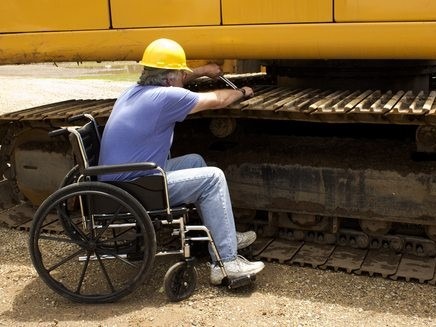
Across many businesses in and around Uckfield, workplace transport equipment plays an important role in daily operations. From forklifts and plant machinery to vans and lorries, these vehicles keep goods moving and projects on track.
But alongside operational efficiency comes an important responsibility: ensuring that all employees, including those with disabilities, can work safely and fairly.
For employers, this isn’t just good practice. It’s a legal duty under UK law.
The Equality Act and employer responsibilities
The Equality Act 2010 requires employers to ensure that disabled employees are not disadvantaged in the workplace.
A key part of this is the requirement to make reasonable adjustments so employees can perform their roles effectively.
In sectors where workplace vehicles and machinery are involved, that can mean reviewing how equipment is used, how roles are structured and whether adaptations are needed to support operators.
Making equipment accessible
Many workplace vehicles can be adapted without compromising safety.
Common adjustments can include:
- Improved seating and ergonomic support
- Modified controls
- Additional visual or audio safety alerts
- Easier access steps or handholds
The most successful adaptations come from working directly with the employee and, where needed, the equipment supplier.
In many cases the changes required are small but can make a significant difference to someone’s ability to carry out their role safely.
Why medical fitness and training matter
Before employees operate workplace vehicles or machinery, employers must ensure they are medically fit and properly trained.
This includes:
- Checking licensing requirements
- Assessing medical suitability where appropriate
- Providing additional training or familiarisation if equipment changes
- Reviewing roles where adjustments may be required
These steps help ensure both legal compliance and workplace safety.
What recent industry reports are telling us
Recent roadside checks and Health and Safety Executive (HSE) findings have highlighted areas where some employers are falling short.
Common issues include failing to verify medical fitness or not considering whether equipment should be adapted for certain operators.
For businesses, these findings act as a reminder that regular reviews and clear policies are essential.
Supporting both safety and opportunity
For businesses across the Uckfield area, creating inclusive workplaces benefits everyone.
Employees who feel supported are more confident and productive, while businesses benefit from improved safety and reduced risk.
Key actions for employers include:
- Reviewing workplace transport policies
- Ensuring equipment is accessible where required
- Maintaining clear training and assessment procedures
- Encouraging open communication with staff
By taking these steps, businesses not only meet their legal obligations but also build stronger, safer teams.
If you’d like guidance on how to make your workplace transport more accessible and inclusive for all employees, we’re here to help.
You can also sign up to our monthly newsletter and follow us on social media for practical updates on compliance, training standards and industry developments.