
In today’s always-connected business world, many leaders pride themselves on being constantly available. Emails, messages and notifications have become part of everyday life, and being busy is often worn as a badge of honour. Yet beneath that constant activity can lie something much more significant: chronic stress that has quietly become normal.
Through my work delivering corporate wellness retreats and executive wellbeing experiences, I’ve seen how stepping away from the workplace environment gives people the space to think more clearly, reconnect with themselves and gain a fresh perspective. Sometimes the greatest value isn’t simply relaxation; it’s creating the opportunity to recognise habits and behaviours that have gradually become accepted as normal.
Imagine this...
A managing director arrives at a countryside retreat carrying two phones. Throughout the morning he checks both constantly.
• Emails.
• Messages.
• Notifications.
By lunchtime he admits something surprising, “I can’t remember the last time I wasn’t available.”
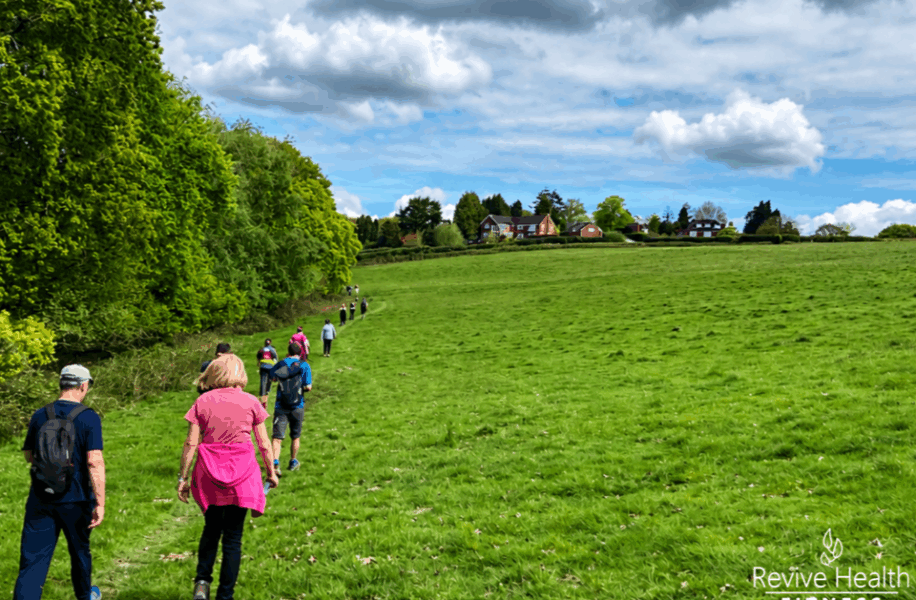
Later that afternoon, during a walk through the countryside, he becomes unusually quiet. Eventually he says: “I thought I was managing pressure well.”
Pause. “I think I’ve just become used to it.” That single realisation changes the conversation.
Many leaders don’t recognise stress because it gradually becomes their normal. The challenge is that normal doesn’t always mean healthy. Or sustainable. Sometimes the biggest breakthrough is simply recognising what you’ve accepted as normal.
Structured team wellbeing days and executive retreats aren’t simply a day away from the office. They create the psychological space for reflection, meaningful conversations and renewed perspective—something that’s increasingly difficult to achieve whilst sitting at the same desk, surrounded by the same demands.
When people return feeling clearer, more energised and better connected with both themselves and their colleagues, the benefits extend far beyond the individual. Teams communicate more effectively, leaders make better decisions and organisations build healthier, more resilient workplace cultures.
Over more than three decades of supporting business professionals, one thing has become increasingly clear to me:
“High performers don’t burn out because they’re incapable. They burn out because the systems they work in never pause. Sometimes the most productive thing a leader can do is step away long enough to return with greater clarity, energy and perspective.”
Perhaps the real question isn’t whether you can afford to step away for a day. It’s whether you can afford not to.
Like to know more? Get in touch with Henry Adekoya by mobile 07909 984547 or send an email hello@revivehealthfitness.co.uk